Educations: Meaning, Importance, Types, Benefits, and Future Scope
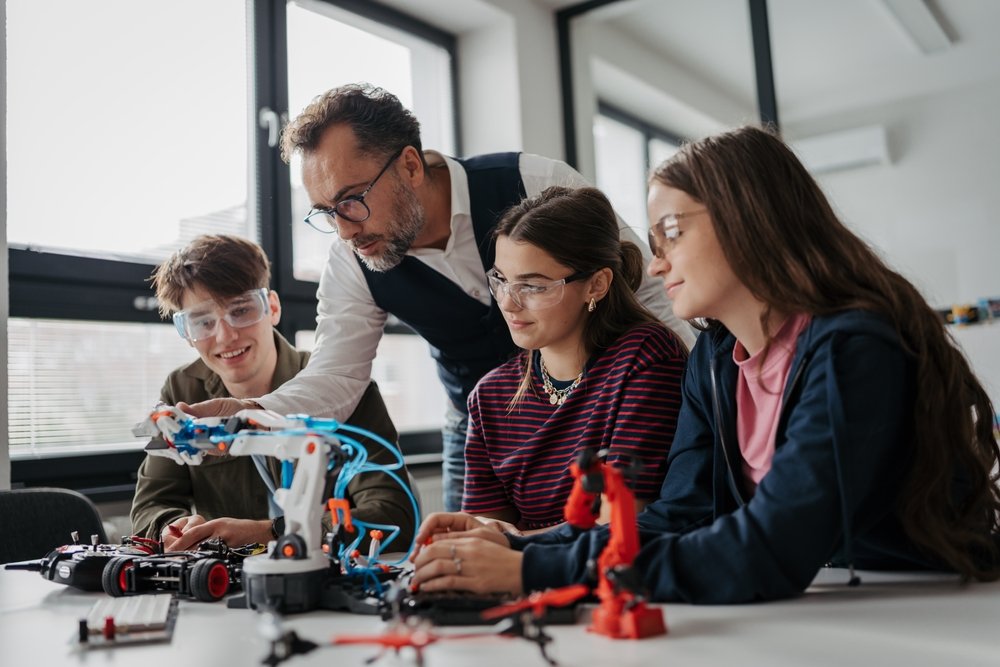
The word educations represents the broad spectrum of learning experiences, educational systems, teaching methods, and academic pathways that help individuals acquire knowledge, skills, values, and competencies. While the singular form, education, is more commonly , the term educations can refer to multiple educational experiences, systems, or ausedpproaches across different countries and disciplines.
What Are Educations?
Education has always been the foundation of human civilization. From ancient learning traditions to today’s digital classrooms, educations continue to evolve, empowering individuals to adapt to changing technologies, economic demands, and societal needs.
In today’s competitive world, quality educations are no longer limited to schools and universities. Learning happens everywhere—through online platforms, vocational training, professional certifications, workshops, internships, and lifelong learning opportunities.
This article explores the meaning of educations, their importance, various types, benefits, challenges, and future trends.
Educations refer to different forms, systems, or experiences of acquiring knowledge and skills. These may include:
- School education
- Higher education
- Technical education
- Vocational education
- Online education
- Adult education
- Distance learning
- Professional development
- Informal learning
Each educational pathway serves a unique purpose and contributes to an individual’s personal and professional growth.
Why Are Educations Important?
Educations play a vital role in developing knowledgeable, skilled, and responsible individuals. They influence not only careers but also personality, critical thinking, and social awareness.
Some key reasons why educations matter include:
1. Building Knowledge
Education introduces learners to science, mathematics, history, language, technology, and countless other subjects that help them understand the world.
2. Developing Skills
Modern educations focus on practical skills such as:
- Communication
- Leadership
- Problem-solving
- Teamwork
- Digital literacy
- Creativity
- Critical thinking
These skills are essential in today’s workplace.
3. Better Career Opportunities
Employers value candidates with strong educational backgrounds and specialized skills. Quality educations improve employability and open doors to higher-paying jobs.
4. Personal Growth
Education enhances confidence, decision-making, emotional intelligence, and self-discipline.
5. Social Development
Educated citizens contribute positively to society by promoting equality, innovation, democracy, and sustainable development.
Types of Educations
1. Formal Education
Formal education follows a structured curriculum in recognized institutions.
Examples include:
- Primary school
- Secondary school
- Colleges
- Universities
This type provides degrees, diplomas, and certifications.
2. Informal Education
Informal education occurs naturally through everyday experiences.
Examples include:
- Reading books
- Watching documentaries
- Learning from family
- Community activities
- Travel experiences
There are usually no examinations or certifications.
3. Non-Formal Education
Non-formal education is organized learning outside traditional classrooms.
Examples include:
- Skill development programs
- Coaching institutes
- Online workshops
- Language courses
- Professional certifications
4. Vocational Education
Vocational educations prepare students for specific careers.
Popular vocational fields include:
- Electrician training
- Plumbing
- Graphic design
- Hospitality
- Healthcare assistance
- Automotive repair
These programs emphasize practical skills over theory.
5. Online Education
Technology has transformed learning through digital platforms.
Benefits include:
- Learn from anywhere
- Flexible schedules
- Affordable courses
- Self-paced learning
- Global access to instructors
Online educations have become increasingly popular among students and working professionals.
6. Distance Education
Distance education allows learners to complete courses remotely through printed materials, virtual classrooms, or digital learning management systems.
It is especially beneficial for:
- Working professionals
- Rural students
- International learners
- Homemakers
Benefits of Educations
Improved Employment
Higher educational qualifications often lead to better career opportunities and higher salaries.
Economic Growth
Educated populations drive innovation, entrepreneurship, and national development.
Better Decision-Making
Education helps individuals analyze information, solve problems, and make informed choices.
Increased Confidence
Knowledge builds self-esteem and empowers individuals to pursue ambitious goals.
Better Health Awareness
Educated individuals are generally more informed about nutrition, healthcare, hygiene, and preventive medicine.
Financial Literacy
Education teaches budgeting, investing, saving, and responsible financial management.
Social Equality
Quality educations reduce social inequalities by creating equal opportunities for people regardless of background.
Role of Technology in Modern Educations
Technology has revolutionized the educational landscape.
Major innovations include:
- Virtual classrooms
- AI-powered learning
- Learning management systems
- Interactive simulations
- Educational apps
- Smart classrooms
- Video lectures
- Digital libraries
Students now have access to world-class learning resources with just an internet connection.
Challenges Facing Educations Today
Despite significant progress, educational systems continue to face several challenges.
Limited Access
Many rural and underprivileged communities still lack quality educational facilities.
High Costs
Higher education can be expensive, making it inaccessible for many students.
Digital Divide
Not everyone has access to reliable internet, devices, or digital infrastructure.
Skill Gaps
Traditional curricula may not always align with modern industry requirements.
Mental Health Concerns
Academic pressure, competition, and examinations can negatively affect students’ mental well-being.
Rapid Technological Changes
Educational institutions must continuously update curricula to match evolving technologies and job markets.
How to Choose the Right Educational Path
Choosing the right education depends on individual interests, career goals, and learning preferences.
Consider the following factors:
- Personal interests
- Career aspirations
- Budget
- Course duration
- Accreditation
- Placement opportunities
- Practical training
- Industry demand
- Flexibility
Research thoroughly before enrolling in any program.
Future of Educations
The future of educations will be shaped by innovation and personalization.
Emerging trends include:
Artificial Intelligence
AI-powered tutors and adaptive learning systems will personalize education for each learner.
Virtual Reality
VR will provide immersive learning experiences in medicine, engineering, architecture, and science.
Micro-Credentials
Short certification programs focused on specific skills will continue to gain popularity.
Lifelong Learning
Professionals will continuously upgrade their knowledge throughout their careers.
Global Classrooms
Students from different countries will increasingly collaborate through online learning platforms.
Skill-Based Education
Employers are placing greater emphasis on practical skills alongside academic qualifications.
Tips for Making the Most of Your Educations
To maximize the value of your educational journey:
- Set clear learning goals.
- Develop consistent study habits.
- Participate actively in discussions.
- Build practical skills through projects.
- Read beyond textbooks.
- Stay updated with industry trends.
- Learn digital tools relevant to your field.
- Seek mentorship and networking opportunities.
- Embrace lifelong learning.
Frequently Asked Questions (FAQs)
What does the term “educations” mean?
Educations refer to multiple educational experiences, systems, or approaches that help individuals gain knowledge, skills, and competencies.
Why is education important?
Education improves knowledge, career prospects, decision-making, confidence, and overall quality of life while contributing to social and economic development.
What are the main types of educations?
The major types include formal education, informal education, non-formal education, vocational education, online education, and distance education.
Is online education as effective as traditional education?
When designed well and supported by active participation, online education can be highly effective. It also offers flexibility and access to a wide range of learning resources.
Why is lifelong learning important?
Continuous learning helps individuals adapt to changing technologies, remain competitive in the job market, and pursue personal growth throughout life.
Conclusion
Educations are the cornerstone of individual success and societal progress. Whether gained through schools, universities, vocational programs, online platforms, or everyday experiences, learning equips people with the knowledge and skills needed to thrive in an ever-changing world.
As technology continues to transform the way we learn, educational opportunities are becoming more accessible, flexible, and personalized. Investing in quality educations is not only an investment in personal development but also a contribution to stronger communities, innovative industries, and a more prosperous future.
0 Comments